
Eddy Hopping: Navigating Life’s Rapids
It occurs to me that life is complicated. Yeah Jim, we know that, and as a start to the new year and where we set those pesky new year’s resolutions, it made sense to do a series on resting in the face of life’s rapids.
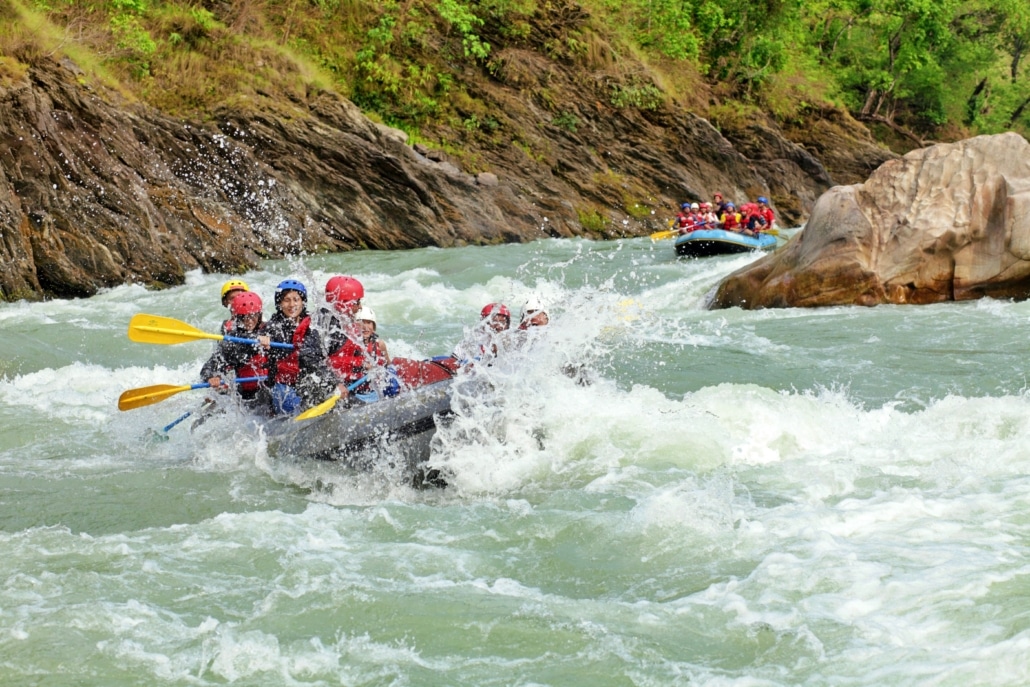
As I stood at the edge of the river, the roar of the rapids ahead filled me with a mix of excitement and apprehension. I was going to go down the New River and hit those class 4 and 5 rapids with purpose. The guide’s voice cut through the noise and my reflection, explaining the technique of “eddy hopping”—a method where paddlers skillfully navigate from one calm eddy to another, using these brief pauses to assess, plan, and gather strength before tackling the next rapid. This technique, I realized, mirrored the challenges and strategies in my own life. And there were and are a lot of them.
The Metaphor of Eddy Hopping
In whitewater paddling, an eddy is a calm area of water formed behind obstacles like rocks or bends in the river. Paddlers use eddy hopping to navigate through challenging rapids by moving from one eddy to the next, allowing for brief moments of respite and reflection. This approach can be applied to personal development in several ways:
- Strategic Pauses: Just as paddlers pause in eddies to assess their path, we can take moments in our lives to reflect, gather strength, and make thoughtful decisions.
- Continuous Learning: Each “hop” from one challenge to the next is an opportunity to learn, adapt, and grow.
- Purposeful Progression: By moving intentionally from one goal to another, we maintain direction and momentum in our personal and professional lives.
Applying Eddy Hopping to Personal Development
Reflecting on my own journey, I recognized several areas where the principles of eddy hopping could be applied:
- Set Clear Goals: I began by defining what each “eddy” represented in my life—be it a project, relationship, or personal milestone. This clarity provided a roadmap for my journey.
- I needed to embrace the Journey: Understanding that each step, or “hop,” was part of a larger process helped me celebrate small victories and learn from setbacks. I realized that the journey itself was as important as the destination. I can share with you now that when I saw the first class 5 rapids my heart skipped a beat — they are very scary.
- Maintain Balance: Just as paddlers must balance their boat to navigate eddy lines, I recognized the importance of balancing my efforts to avoid burnout and ensure sustainable progress. This meant setting realistic expectations and taking time for self-care. We were in a raft and that meant working together.
- Seek Support: In paddling, teamwork is crucial. Similarly, I understood the value of surrounding myself with supportive individuals who could provide guidance, encouragement, and shared wisdom. Building a network of mentors and peers became a priority.
Overcoming Personal Challenges
Applying the concept of eddy hopping to my life was not without its challenges. There were moments when the rapids seemed overwhelming, and the next eddy appeared distant. During these times, I reminded myself of the importance of strategic pauses. Taking a moment to breathe, reflect, and reassess my path allowed me to approach challenges with renewed clarity and purpose. And if you remember from other blogs, Centering prayer (or Meditation) is an important part of my routine each morning as I eddy hop from day to day.
Continuous learning became a cornerstone of my journey. Each setback was something I tried to view as an opportunity to adapt and grow. I embraced the idea that mistakes were not failures but steppingstones toward improvement. This mindset shift transformed my approach to challenges, making them less daunting and more manageable. And one of the ways I did it was to remember that while other people’s opinions were important to me, they were not going to help me if they were negative.
Intentional progression required me to set clear, achievable goals and move towards them with intention. I learned to break down larger objectives into smaller, actionable steps, making the journey less overwhelming and more structured. This approach provided a sense of direction as I checked off each success.
Maintaining balance was perhaps the most challenging part. In the pursuit of goals, it was easy to become consumed by work and responsibilities. However, I recognized the importance of self-care and the need to recharge. Just as a paddler must rest to navigate the river effectively, I understood that taking time for myself was essential for sustained progress.
Seeking support was transformative. I reached out to mentors, friends, and colleagues who offered diverse perspectives and encouragement. Their insights and experiences provided valuable guidance, reminding me that I was not alone in my journey.
The Role of Resilience
Resilience played a pivotal role in my application of eddy hopping principles. Life, much like the river, is unpredictable and filled with obstacles. Embracing the concept of eddy hopping taught me to navigate these challenges with purpose and resilience. Each eddy provided a moment to regroup, reflect, and prepare for the next rapid, reinforcing the idea that setbacks are temporary and part of the journey.
Putting it all together
Eddy hopping in whitewater rafting is more than a technique; it’s a philosophy of navigating challenges with purpose, precision, and resilience. By adopting this approach, I learned to steer through life’s rapids, making deliberate choices that led me toward my desired destination. The journey, with its ebbs and flows, became a testament to the power of strategic pauses, continuous learning, purposeful progression, and the support of a community. As I continue to navigate the river of life, I carry with me the lessons learned from each eddy, each rapid, and each moment of reflection, knowing that with each hop, I am moving closer to the person I aspire and want to be.


Leave a Reply
Want to join the discussion?Feel free to contribute!