
Gentle Steps Through the Ache of Loneliness – Hope
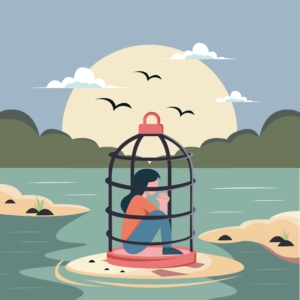
The ache of loneliness is deep and profound for some of us. It shows up in our posture, our energy and the way we relate to the world. I remember when I went through a painful divorce and the loneliness I felt. I did not have any self-esteem, or knowledge of what was next in my life. I traveled on autopilot, grunted responses to questions and went deep inside myself in a protective stance. My shoulders hunched as if trying to make myself smaller so I would take up less space — and maybe be less likely to be hurt again.
That posture mirrored how I felt inside: small, raw, and on guard. My days blurred together. I thought loneliness was something to be fixed quickly, as if I were just a machine with a loose bolt. But loneliness isn’t just a problem to be solved. It’s a human experience that asks for tenderness, time, and gradual re-learning about who we are when we are alone.
Loneliness wears many faces and loneliness can be noisy or silent. It can come after a breakup, a move, retirement, the loss of a loved one, or during seasons when you don’t fit into the surrounding culture. Sometimes it arrives without an obvious cause — you might be surrounded by people yet feel profoundly disconnected. It can color how you see yourself (when I felt unlovable) and others (nobody understands me). That lens is heavy and makes ordinary tasks feel larger.
When loneliness becomes long-term, it shapes habits. You might withdraw from invitations, avoid phone calls, or spend afternoons scrolling through images of other people living bright lives. Facebook is horrible for these times. You might develop defensive behaviors — sarcasm, irritability, or constant self-criticism — to keep others at a safe distance. These are understandable survival strategies, but they can keep us stuck.
A friend of mine, Marcus, is a gregarious person by nature, but after his father died, he sank into a quiet deep loneliness. He would show up to gatherings and laugh easily, but afterward he would go home and close the curtains. One night he told me he felt like a house with rooms no one ever walked into. Over the next few months, he knew something needed to change and he began meeting with a grief group and volunteered at a local community garden. The volunteers didn’t try to fix him; they simply shared tasks and stories. With time, his personal rooms were visited more often — not because he suddenly changed overnight, but because small, consistent human interactions built a sense of belonging again.
Another story: Ana, who moved to Italy for work, felt disconnected from the language and customs. Her loneliness was layered with isolation and cultural disorientation. She found solace by starting a weekly ritual — Tuesday potluck evenings with a few colleagues. No grand obligations, just a bowl of soup and one good question: “What was the best thing you did for yourself this week?” That question became a conduit for sharing and made her feel seen.
Gentle steps to comfort your own heart being lonely is not a personal failing! Responding to it with gentleness rather than self-blame transforms the experience. Here are four practical, compassionate ways to be gentle with yourself on this path:
- Acknowledge the ache without rushing it. Sit with the feeling and name it: “This is loneliness.” Naming reduces the power of the sensation and helps you observe it instead of being swallowed by it. You might say this aloud when you’re alone or write it in a journal.
- Normalize your experience. Remind yourself that many have felt this — it’s part of being human. Reading stories, memoirs, or essays about loneliness can make you feel less alone in your aloneness.
- Create small rituals of care. When we’re lonely, big plans feel impossible. Start with tiny rituals: a cup of tea at the same time each afternoon, a ten-minute walk, lighting a candle before dinner. Rituals create structure and a sense of predictability, which is soothing when the world feels unstable.
- Befriend your body. Loneliness often settles physically — tight shoulders, shallow breathing, a heavy chest. Use simple body-based practices: slow diaphragmatic breathing (inhale for 4, exhale for 6), progressive muscle relaxation, or a short yoga sequence that opens the chest. Even gentle movement can change your internal state and communicate kindness to yourself.
Even with the practical steps above there may be times when seeking therapeutic support is the most important thing you can do. A therapist, counselor or spiritual director can provide tools to navigate loneliness, help process past hurts, and gently challenge patterns that keep you isolated. Group therapy can be especially powerful because it combines professional help with human connection.
Comforting exercises you can try today
- Write a letter to your future self. Describe what you are feeling right now and what you need. Seal it or save it to be opened in six months. This creates continuity and an ally you can visit later.
- The “two-minute reach” practice. Each day, do one small, friendly thing for someone: send a message saying, “Thinking of you,” or thank the person who refilled the coffee. Small gestures often return warmth and remind you you’re part of a social web.
- The self-compassion break. When you notice pain, put a hand on your heart and say: “This is a moment of suffering. Suffering is part of life. May I be kind to myself.” Pause and breathe for several rounds.
- Make a list of “gentle yeses.” These are optional social activities that feel manageable — a short walk with a friend, an hour at the library, calling a sibling. Start with one gentle yes per week.
When loneliness persists
If loneliness feels chronic or is accompanied by hopelessness, persistent fatigue, or changes in appetite or sleep, reach out for professional support. Loneliness can be linked to mental health conditions like depression and can benefit from therapy, medication, or both. Asking for help is a courageous, practical step to comfort your heart.
A compassionate ending
Loneliness can be a fierce teacher. It can expose where we are tender, where we fear rejection, and where we have forgotten how to tend to ourselves. But it can also be a doorway to deeper self-knowledge. When we meet loneliness with small acts of kindness — tending our bodies, creating rituals, reaching out in tiny ways, and seeking community — we slowly reweave the threads of belonging.
Please hear me when I say, “you don’t need to hurry the healing”. On hard days, remember the posture you instinctively assume in pain: protective, small. Try instead to soften one muscle at a time. Breathe. Put a hand over your heart. Say one gentle thing to yourself. These are not grand solutions, but they are steady, and steadiness is what heals. Over time, small moments of tenderness add up, and the world starts to feel a little less cold.
A poem I wrote about loneliness….
Alone, I fold myself into small shapes, a quiet shell against the world’s bright wind.
Don’t see me
My shoulders learn to hide, my breath grows shallow, and I move through days on soft autopilot.
Don’t see me
Inside, a spark remembers how to rest and keeps a small light against the dark.
Don’t see me
I light a tiny ritual — tea, a song, a name — and let the ache be a visitor, not the whole house.
Maybe see me
Softly I unfold, muscle by muscle, word by word, until a single hand on my chest becomes a bridge.
See me
