Choose Your Altars: Context Before Commitment Now!

Can I be heretical for a moment? I want to talk about worship—not as doctrine but as human behavior. When we use words like “worship,” “blessed,” or “devotion,” we often assume everyone shares the same map for those terms. But what if we treated those words as claims that require context and interrogation the way we would any major life commitment—like marriage, career choice, or a mortgage? Do we know why we are doing the deeply important things in our lives, and what it really means to be doing them?

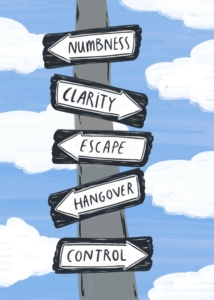
Let’s start with a simple observation: language is slippery. “I worship God” can be a conscious, reflective claim about meaning and purpose, or it can be shorthand for a family habit, a cultural identity, or a weekly routine. The same goes for secular “objects” of devotion—money, status, sex, drugs, career. People often enact profound loyalties without pausing to ask whether those loyalties are chosen or inherited, adaptive or harmful.

I talked about context a few posts ago and I want to dive into it a little bit differently.

Examples make this more concrete.

  • The executive.

Consider Linda, a chief operations officer who describes herself as “dedicated” to her company. She works 70-hour weeks, vacations with her laptop, and measures self-worth by quarterly results. Her friends joke that she “worships the bottom line.” Is that hyperbole? For Linda it’s not; her weekends are filled with email, she’s missed births and birthdays, and financial metrics shape her identity. The question is: did she choose this life because it aligns with an examined set of values, or because the expectations and incentives around her nudged her into a default devotion? If she says she “devotes her life to work,” what does “devotion” actually mean for Linda—satisfaction, security, avoidance of other pains? What is the context that made work the main altar of her life? (I changed content of each of these examples because I was not given permission to use the people’s identities)


  • The influencer.

Jamal, a 23-year-old social media creator, measures success in likes, followers, and brand deals. His waking plan is content production optimized for engagement. That rhythm organizes his social circle, daily habits, and self-esteem. When his follower count stalls, he becomes anxious and makes riskier content decisions to chase virality. Is he worshipping audience approval? Again, the symbol matters: the behaviors are indistinguishable from religious devotion—rituals (posting), community reinforcement (comments), moral accounting (metrics). But does he understand why he chases those metrics? Is it autonomy, recognition, or fear of obscurity?

  • The habitual churchgoer.

Sara attends Sunday services every week, has for decades, and calls herself a person of faith. But she admits she often sits in the pew on autopilot—singing the songs, nodding at the sermon, rarely thinking about the theological claims. For her, worship is a social ritual that binds her to family and community. That’s meaningful in certain ways, but if someone asks whether she “devotes her life” to the principles taught there, she struggles to articulate specifics. Is her participation a moral compass, a habit, or a defense against loneliness? Without context, the claim “I worship” can mask a lack of considered commitment.

  • The non-believer.

Tom, an engineer, publicly states he does not believe in God or organized religion. What does that mean for him? Is he rejecting the metaphysical claims, the social practices, the institutional authority, or all of the above? For some people, atheism is an intellectual conclusion; for others it’s a cultural stance or even a reaction against abusive institutions. Context matters: a blanket “I don’t believe” can be an invitation to conversation, but it can also be shorthand for “I was hurt,” “I never saw the need,” or “I never had a framework to meaningfully engage.”

  • The addict.

Marcus struggled with substance dependence for years. He would prioritize the next fix over relationships, work, and health. In a clinical sense, addiction can look like a form of worship: consistent rituals, surrender of agency, and a value hierarchy in which the substance ranks above all else. When he entered recovery and asked why he had chased substances so relentlessly, he uncovered fears, trauma, and a hunger for acceptance. Recognizing the context changed his approach to life and meaning.

These vignettes point to a few recurring patterns.

First, devotion and habit are not the same. Something you do every week can be either a carefully chosen expression of core values or a default behavior sustained by habit and social reinforcement. We routinely confuse frequency with meaningfulness. The critical move is to ask: does repetition reflect reflective commitment or mere inertia?

Second, context transforms words into claims that can be evaluated. To say “I worship X” without specifying what X is, what X gives you, and what X costs you, is to make an ambiguous claim. Is the worship chosen freely? Is it compensatory (filling a void)? Is it communal or isolating? What happens if X is removed—does the person reorganize their life or collapse?

Third, many social institutions encourage uptake of labels without fostering critical thought. My pastor friend who worries about biblical text being used without context has a secular analogue: workplaces, subcultures, and social media ecosystems often pass down language and practices that people adopt without understanding origins or alternatives. Some call that “faith” or “loyalty”; others call it suspension of inquiry. Either way, it’s worth asking whether your assent is informed.

So, what do practical steps look like if we decide to insist on context before committing to the things that claim our lives?

  • Ask the “why” questions: Why this devotion? What needs does it serve? Whose approval or reward structures support it? Try to make a list—psychological, social, economic—that explains the attraction.
  • Consider the long-term ledger: How will this devotion look in five, ten, thirty years? What will be served, and what will be sacrificed? Try to envision the trade-offs honestly.
  • Test alternatives: Could you allocate attention differently? If your life’s axis shifted even slightly, what would change? Small experiments reveal if a devotion is truly intrinsic or simply convenient.
  • Seek external perspectives: Talk to friends, mentors, or a therapist about what they see. People immersed in a system often miss its blind spots.
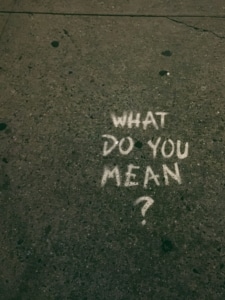
  • Demand specificity from claims: When someone asserts “this is what we do” or “this is who we are,” ask follow-up questions. What do you mean by “this”? What metrics or stories support that definition?

Click Here For Free Workbook Link.

Language matters because it shapes identity. “Worship” is a provocative term because it exposes the sacrificial structure of devotion. You don’t have to use religious vocabulary to admit you are giving your life to something. You can be as devoted to a career, a relationship, a cause, or a compound as anyone kneeling in a chapel. The crucial question is whether that devotion is the result of an informed, reflective choice or an accident of context.

I can’t accept words without context. Can you? If you want to live honestly and with purpose, start asking context questions about the things that claim you. It doesn’t require rejection or conversion—only clarity. And when we have clarity, we gain power: the power to recommit intentionally, to redirect energy where it matters, and to stop pretending that habits equal meaning..

Understand your growing edge

“Look well to the growing edge. All around us worlds are dying and new worlds are being born; all around us life is dying and life is being born. The fruit ripens on the tree, the roots are silently at work in the darkness of the earth against a time when there shall be new leaves, fresh blossoms, green fruit. Such is the growing edge. Look well to the growing edge.”

Howard Thurman

There are moments when the world around us feels raw and divided, when headlines and conversations seem to pull us apart rather than bring us together. In those moments I return to Howard Thurman’s words and find an invitation: to look for the small, persistent beginnings — the growing edge — where life quietly insists on renewal. Thurman’s lines are not a denial of loss; they are a map of hope. They remind us that endings and births travel side by side, that even in the shadow of decay there is an unseen labor preparing the next season.

Think of the growing edge as the slender green that appears on a branch after winter, or the first breath that follows exhaustion. As Thurman says, it is “the extra breath from the exhausted lung, the one more thing to try when all else has failed.” It is the steady, stubborn impulse that keeps us trying, learning, and reaching for what is better. This impulse is not grandiose or flashy; often it is quiet and humble — a neighbor listening, a teacher staying late, a community garden taking root in a vacant lot. Those acts, multiplied, become the scaffolding for something new.


Our world today bears many fractures — political rancor, social pain, environmental strain. Yet if we look only at what is breaking, we miss the synchronous birth of possibility. “All around us life is dying and life is being born.” If we pay attention to the growing edge, we can choose to live in alignment with that emergence. That doesn’t mean ignoring difficulty. It means placing our energy where life is being renewed: toward understanding, toward repair, toward building structures that invite flourishing rather than entrenching harm.

How do we tend the growing edge in the life we live? First, by embracing change instead of fearing it. Change is the canvas where new worlds are painted. Thurman’s vision encourages us to accept transformation as natural and necessary — to learn, adapt, and be curious about new perspectives. This openness creates the possibility of connection where division once stood.

Second, by intentionally looking for the positive developments that flicker into being. When we “look well to the growing edge,” we train our attention on those emerging efforts that point toward life: grassroots movements organizing for justice, teachers designing classrooms that foster belonging, neighbors organizing to protect a local river. These are the places where hope is not theoretical but practical. Thurman calls this “the upward reach of life when weariness closes in upon all endeavor.” Even a single upward reach can change the direction of a weary heart.

Third, by cultivating resilience. The growing edge is “the basis of hope” because it gives us evidence that renewal is possible. When we recognize obstacles as opportunities to grow, we reclaim agency. Speaking truth, showing up for others, and insisting on dignity in daily choices are acts that compound. They make us stronger and they signal to others that building anew is worth the struggle.

Fourth, by engaging in meaningful dialogue. When “times are out of joint and men have lost their reason,” Thurman suggests the incentive to carry on lies in relation, in listening and in sharing. Conversation done with patience and empathy can soften hardened positions and reveal common aims. It’s not always easy; it requires humility and courage to speak and to listen. But such exchanges often become the quiet work of the roots, preparing fertile ground for new leaves and blossoms.

I have to say without a shadow of a doubt there have been times in my life where I did not want to “engage in meaningful dialogue”. I even went so far as to decry the impulse to do so. How can you expect me to talk with “this person” for what they are doing around them?

It is HARD. It is WORTH IT!

Finally, by nurturing new leaders and ideas. “The birth of a child — life’s most dramatic answer to death” points to the profound power of beginnings. Supporting those who are starting — young people, marginalized voices, community organizers — replenishes our collective capacity to imagine and build alternatives. Their insights are often fresh because they are less encumbered by the constraints of what has always been.

History and daily life offer countless examples of the growing edge in motion: movements that transformed societies, technologies that reconnected people across distances, community responses to climate crises that turned despair into action. These all began as something small and persistent — a few people refusing to accept the finality of the old story.

There are challenges. Cynicism can blunt our sight; uncertainty can make us cling to familiar pain; idealism without grounding can falter. Thurman’s call — “Look well to the growing edge” — is precisely a remedy for these trials. It trains attention toward the life that insists on being born even in difficult soil.

So, when the world feels fractured, remember to look for the new leaves, the fresh blossoms, the quiet roots working underground. Tend to them when you find them. Join them when you can. In that practice, one extra breath at a time, we become participants in a larger turning — from fragmentation toward a renewed and shared life. Look well to the growing edge.

Folks reading Howard Thurman is a life changing experience for those with eyes to see and ears to hear.

Peace and every good.

Presence as Witness: The Quiet Power of Showing Up

I remember the day my youngest child was born like a photograph in slow motion. It was 43 years ago, in a delivery room that smelled of antiseptic and hope. I promised myself I would be there — not because I thought I could do anything technical, but because something inside me insisted I needed to witness this threshold. What unfolded in those hours was not ordinary. It was raw, loud, fragile, triumphant. It was a miracle. And watching it changed me.

The delivery room was a small ecosystem of attention: my wife in the epicenter, midwives and doctors orbiting with focused calm, nurses moving with quiet purpose, machines humming like low prayers. My daughter arrived with a cry that sounded both new and ancient. As I watched, I wasn’t merely observing a birth. I was bearing witness — and that act of presence reshaped how I understood life, love, and what it means to simply be there for another human being.

What does it mean to “bear witness”? For me it meant surrendering the impulse to fix, comment, or perform. It meant holding a space with no agenda other than to attend. I saw my wife in ways I’d never seen before: fierce, vulnerable, triumphant. I saw my newborn, blinking and bewildered, entering a world I had only ever imagined for her. I saw the team at work, each person contributing a small essential piece to a profound whole. In the silence between contractions, in the quick exchanges of hands and glances, I learned something about the power of presence that has stayed with me for decades.

Bearing witness is not limited to dramatic life events like childbirth. It’s the practice of showing up when it matters: in grief, in joy, in mundane moments where another person might otherwise be alone in their experience. And you don’t need words to do it. Sometimes the most powerful language is the sturdy quiet of your attention. When you stand there and truly see what someone else is going through — without interrupting, diagnosing, or diverting — you give them something priceless: validation. You acknowledge their reality as worthy of being seen.

Why this matters now,

We live in a world of interruptions. Notifications, opinions, and obligations make us spectators to our own lives and to the lives of people around us. Bearing witness is an act of resistance against this fragmentation. It restores human connection. It heals small wounds before they become deep scars. It fosters trust and invites vulnerability. And it’s accessible: anyone can do it with a little intention and practice.

So instead of just talking at you I wanted to share two practical steps to start bearing witness today. They’re intentionally minimal so you can repeat them in any context — at home, at work, in a hospital waiting room, or on the street.

  1. The Two-Minute Presence Ritual
  • What to do: When someone begins to share something — good or bad — stop. Put down your phone, close your laptop, and face them. Take two full minutes of uninterrupted presence. Don’t plan a response; don’t analyze or advise. Let your eyes meet theirs, and if it feels natural, offer a soft touch: a hand on the shoulder or a brief squeeze of the hand.
  • Why it works: Two minutes is short enough to be manageable and long enough to break the loop of reactive listening. In those two minutes, you communicate that the person is important, that their experience matters. The ritual trains your nervous system to slow down, reducing the urge to interject or fix.
  • Where to use it: With a partner during a tough conversation, with a friend telling a story, with a colleague after a hard meeting, or even with a stranger who’s visibly distressed.
  1. The Question of Seeing
  • What to do: When someone describes an experience, ask one simple question: “What was that like for you?” Then pause and wait. Resist the urge to paraphrase right away. Allow silence to do some of the work. If the other person hesitates, follow up with: “I want to understand more. I’m here.”
  • Why it works: This question moves the focus away from facts and toward feeling. It invites deeper sharing and avoids the common trap of turning the conversation into a comparison or a problem-solving session. The follow-up line reaffirms your intent to be there for them without imposing your viewpoint.
  • Where to use it: In conversations about loss, transitions, parenting struggles, mental health, or moments of celebration where the other person wants to be witnessed rather than analyzed.

Stories that teach:

In that delivery room, I could have tried to make light of the pain to ease my wife’s tension, or I might have sought to take charge of logistics. Instead, I learned to breathe with her breath, to let my attention rest on the reality before me. Later, when friends and family told me about their own losses or breakthroughs, I found myself showing up differently — less eager to problem-solve and more willing to simply be present. Over time, the small acts of bearing witness built up a quiet network of care around the people I love.

People sometimes worry that bearing witness will overwhelm them, as though absorbing another person’s reality means carrying their whole burden. That’s not true. Bearing witness does not require you to fix anything. It asks only that you offer a portion of your attention and your heart. If emotions become too intense, honest boundaries are part of good witnessing: “I want to be here with you, and I also need a short break so I can come back present.” You can hold both care and self-preservation.

Who benefits? Everyone. The person being witnessed receives validation, validation that can transform isolation into connection. You, the witness, gain emotional fluency and deeper relationships. Communities become more resilient when people practice simple acts of presence. Teams at work perform better when members feel genuinely seen. Families heal faster when they adopt listening as an act of love.

A small practice, a big ripple:

The birth of my daughter taught me a simple truth: sometimes the most revolutionary act is to show up and stay present. You don’t need a certificate or training. You only need the willingness to slow down and give someone else a piece of your attention.

Call to action Try it this week. Choose one person — a partner, friend, coworker, or family member — and practice the Two-Minute Presence Ritual. Then, later in the week, use the question of seeing in a conversation where you usually would have jumped in to advise. Notice what changes: in the other person’s expression, in the flow of conversation, and in how you feel afterward. Share your experience with someone else or post a short note on social media about what you learned using #IWasThere. Invite a friend to try it with you.

If you want, tell me about your moment of bearing witness — what you saw, how it felt, and what changed. I’ll listen. No advice, no judgment. Just presence.

We don’t need words when bearing witness. We just need to be present. And in that simple presence, we can witness miracles — big and small — and be transformed by them.

Looking back on the birth of my daughter in that delivery room 43 years ago, everything contracted and expanded around a single point of arrival. My wife labored with a fierce determination I had never seen; her face was a map of pain and purpose. The medical team moved with practiced urgency, voices calm, hands steady. I stood at her side, breath matching hers, palms clammy but steady on her knee. There were moments of quiet concentration and moments of bright, startling noise — a mix of instructions, encouragement, and the rhythm of machines. Then the cry: a raw, immediate announcement that life had crossed the threshold. They placed my daughter on my wife’s chest and for a second the world narrowed to three breaths and the soft, wet weight of newness. Tears blurred everything; laughter and prayer braided together. In that instant I knew I had witnessed something holy — not because of drama, but because of the raw, shared humanness in that room. That witnessing changed me: it taught me the language of presence in a way no book ever could.

From EQ Theory to Heart: The Three Intentions Practice

You’ve probably heard the phrase “emotional intelligence” thrown around in meetings, on LinkedIn posts, and in self-help emails. It’s become one of those buzzwords that can feel both promising and slippery — promising because it suggests we can get better at being human with each other, slippery because it can stay as a concept in our minds without ever changing how we live. Lynette and I learned this the hard way.

Years ago, when EQ still lived a bit on the edges of mainstream leadership development, we fell into it in a way that felt like fate. We trained with Six Seconds — the Emotional Intelligence Network — and with Josh Freedman, who was and is leading the organization. Back in those days Josh was able to be pretty much one on one with people that were interested in EQ, and we learned a lot from him. We didn’t just take a course or two; we drank deeply. We took every training Six Seconds had at the time and offered it through our company, Spirit of EQ. By learning the tools and the models, and eventually served as Regional Network Directors for North America we found out the meaning of a deeper walk with our emotions.And that meant we were surrounded by people who had a real heart for change: coaches, educators, leaders who wanted to bring more humanity into their work and lives.

But here’s a truth we discovered: no matter how many models you memorize, how many assessments you score, or how many workshops you deliver, moving emotional intelligence from the head into the heart — truly owning it — is harder than it looks. Intellectual understanding is tidy and safe. It sits in the mind, where ideas can be argued and adjusted. The heart, by contrast, is raw and messy. Owning EQ means translating insight into felt experience and consistent action. It means living it, not just thinking about it.

What we learned made the difference between clever jargon and more about structure, practice, and values. Their approach centers around three practical intentions that are easy to understand and hard to neglect: Know Yourself, Choose Yourself, Give Yourself. These are not slogans. They’re invitations to live differently.

Know Yourself This is the foundation. If you don’t know what’s living inside you — your triggers, your default reactions, your values and fears — you can’t intentionally choose how to respond. Six Seconds and its SEI tools support accurate self-assessment, and that’s a useful starting point. But assessment without felt reflection is like reading your own weather report without stepping outside. To own EQ in your heart, you must turn awareness into felt reality.

Practice:

  • Start small with regular check-ins: pause three times a day and name what you feel (not just what you think). Use simple language: “I feel anxious,” “I feel tired,” “I feel excited.” Naming an emotion moves it from automatic reactivity to conscious awareness.
  • Use a body scan: where do you feel that emotion? A tight chest, a knot in the stomach, a quickened heartbeat? Bringing attention to bodily sensations roots intellectual understanding in bodily truth.

Choose Yourself This is the hinge. Knowing yourself gives you options; choosing yourself means you act on them intentionally instead of re-acting. It’s about the space between stimulus and response that Viktor Frankl talked about — that space is where EQ lives.

Practice:

  • Identify one pattern that doesn’t serve you (e.g., snapping when stressed, avoiding tough conversations). Define a tiny alternative action you can take in moments of stress and practice it relentlessly.
  • Anchor to values. If kindness is important to you, pre-decide what a small kind action looks like when you feel defensive. That pre-decision helps you act from choice, not from old habit.

Give Yourself This is the outward expression. EQ is not an internal hobby; it’s a way of relating. When you give from a place of presence and purpose, the heart opens. Give Yourself also means self-compassion — you must offer yourself the same patience you give others while you’re learning.

Practice:

  • Practice small acts of service or connection that align with your values. These don’t have to be grand: a sincere thank-you note, a five-minute listening session with a colleague, or arriving ten minutes early to be fully present in a meeting.\
  • Build a ritual of self-forgiveness. When you fail (and you will), practice an internal script of learning rather than self-judgment: “I’m learning. What can I try differently next time?”

Bringing these three intentions into daily life is how EQ stops being a theory and becomes a way of living. But there are still practical obstacles: busyness, skepticism, and the defense mechanisms that keep us stuck in the head. Here are concrete ways we learned to bridge that gap — ways that helped the people we worked with when we were regional directors, and that helped us in our own lives.

And here is the part where I do a shameless self-promotion: we at Spirit of EQ can help you with these trainings.

  1. Use tiny experiments to build evidence

The brain cares about results. When you run small experiments — “Today I’ll breathe for 30 seconds before responding to criticism” — you gather evidence that different responses work. Accumulated evidence rewires expectation and hence behavior.

  1. Anchor learning in relationships EQ isn’t a solo sport.

Practice with a trusted person: share your intention (“I’m practicing listening without giving advice”), ask for feedback, and debrief what happened. Real relationships provide both safety and accountability.

  1. Move from intellectual insight to sensory experience.

 We often “know” something in our mind without sensing it in our body. Use approaches that require embodiment: role-plays, expressive movement, breath work, or even walking meetings where you name feelings aloud. The body remembers what the mind forgets.

  1. Create an identity shift– Tell a new story about yourself:

not “I’m someone who gets triggered,” but “I’m someone who notices when I’m triggered and pauses.” Identity influences action. The more you act from that story, the more the heart will follow. Reframe, reframe, reframe.

  1. Practice compassion rituals Moving from head to heart requires warmth toward yourself and others.

Start each day with a two-minute compassion practice: think of someone you care about and wish them well, then extend that same wish to yourself. Science and tradition both show compassion practices open the heart.

  1. Use measurement to fuel growth (wisely).

Six Seconds’ approach includes measurement tools like the SEI assessment to track progress. Measurement is useful when it’s used for learning, not judgment. Use data to celebrate growth and to identify patterns you want to shift — not to shame yourself.

  1. Connect purpose with practice

 People consistently embody EQ when their practices are connected to a larger purpose. Ask yourself: “Why do I want to get better at emotional intelligence? What would that allow me to bring to my family, team, or community?” When the head’s motivation aligns with heart-felt purpose, change accelerates.

A story that stays with me: we were running a regional workshop and one participant, a manager of a busy nonprofit team, was skeptical. He’d been to countless trainings and felt they were mostly fluff. Halfway through, during an exercise to name emotions and bodily sensations, he blurted out that he’d always been taught to “keep his face on.” The muscles around his eyes relaxed for the first time in the workshop. He admitted that for years he’d been protecting himself by staying emotionally flat. That admission was intellectual, but the group’s non-judgmental witnessing shifted something in him — his shoulders sagged, his voice softened — and for the first time in years he felt something like relief. He later told us that he didn’t become a different person overnight, but that one small felt moment made it possible for him to experiment with being authentic. He started a weekly habit of one minute of naming before staff meetings and eventually began to model vulnerability for his team.

That’s the turning point we saw again and again: an intellectual insight met with a felt experience, supported by practice and community. That’s how EQ moves from the head to the heart.

If you want to own EQ — not just understand it — begin where you are. Choose one small practice from above and make it non-negotiable for a week. Tell someone about what you’re trying. Measure nothing more than whether you did the practice. Notice the felt changes. Then expand.

The work of those many years showed us that emotional intelligence is less a destination and more a living skill — like learning a language or playing an instrument. You won’t master it in a weekend, but you can grow it every day. And when you do, something quietly powerful happens: your choices come from a place of alignment, your relationships deepen, and your life becomes an expression of the values you claim.

We’ve carried that lesson through our careers and into our everyday lives. We still study, we still measure, and yes, we still read the research. But what matters most is the slow, steady translation of insight into action — the felt practice of showing up differently. That’s how EQ stops being a buzzword and starts being a way of living from the heart.

Gentle Steps Through the Ache of Loneliness – Hope

The ache of loneliness is deep and profound for some of us. It shows up in our posture, our energy and the way we relate to the world. I remember when I went through a painful divorce and the loneliness I felt. I did not have any self-esteem, or knowledge of what was next in my life. I traveled on autopilot, grunted responses to questions and went deep inside myself in a protective stance. My shoulders hunched as if trying to make myself smaller so I would take up less space — and maybe be less likely to be hurt again.

That posture mirrored how I felt inside: small, raw, and on guard. My days blurred together. I thought loneliness was something to be fixed quickly, as if I were just a machine with a loose bolt. But loneliness isn’t just a problem to be solved. It’s a human experience that asks for tenderness, time, and gradual re-learning about who we are when we are alone.

Loneliness wears many faces and loneliness can be noisy or silent. It can come after a breakup, a move, retirement, the loss of a loved one, or during seasons when you don’t fit into the surrounding culture. Sometimes it arrives without an obvious cause — you might be surrounded by people yet feel profoundly disconnected. It can color how you see yourself (when I felt unlovable) and others (nobody understands me). That lens is heavy and makes ordinary tasks feel larger.

When loneliness becomes long-term, it shapes habits. You might withdraw from invitations, avoid phone calls, or spend afternoons scrolling through images of other people living bright lives. Facebook is horrible for these times. You might develop defensive behaviors — sarcasm, irritability, or constant self-criticism — to keep others at a safe distance. These are understandable survival strategies, but they can keep us stuck.

A friend of mine, Marcus, is a gregarious person by nature, but after his father died, he sank into a quiet deep loneliness. He would show up to gatherings and laugh easily, but afterward he would go home and close the curtains. One night he told me he felt like a house with rooms no one ever walked into. Over the next few months, he knew something needed to change and he began meeting with a grief group and volunteered at a local community garden. The volunteers didn’t try to fix him; they simply shared tasks and stories. With time, his personal rooms were visited more often — not because he suddenly changed overnight, but because small, consistent human interactions built a sense of belonging again.

Another story: Ana, who moved to Italy for work, felt disconnected from the language and customs. Her loneliness was layered with isolation and cultural disorientation. She found solace by starting a weekly ritual — Tuesday potluck evenings with a few colleagues. No grand obligations, just a bowl of soup and one good question: “What was the best thing you did for yourself this week?” That question became a conduit for sharing and made her feel seen.

Gentle steps to comfort your own heart being lonely is not a personal failing! Responding to it with gentleness rather than self-blame transforms the experience. Here are four practical, compassionate ways to be gentle with yourself on this path:

  • Acknowledge the ache without rushing it. Sit with the feeling and name it: “This is loneliness.” Naming reduces the power of the sensation and helps you observe it instead of being swallowed by it. You might say this aloud when you’re alone or write it in a journal.
  • Normalize your experience. Remind yourself that many have felt this — it’s part of being human. Reading stories, memoirs, or essays about loneliness can make you feel less alone in your aloneness.
  • Create small rituals of care. When we’re lonely, big plans feel impossible. Start with tiny rituals: a cup of tea at the same time each afternoon, a ten-minute walk, lighting a candle before dinner. Rituals create structure and a sense of predictability, which is soothing when the world feels unstable.
  • Befriend your body. Loneliness often settles physically — tight shoulders, shallow breathing, a heavy chest. Use simple body-based practices: slow diaphragmatic breathing (inhale for 4, exhale for 6), progressive muscle relaxation, or a short yoga sequence that opens the chest. Even gentle movement can change your internal state and communicate kindness to yourself.

Even with the practical steps above there may be times when seeking therapeutic support is the most important thing you can do. A therapist, counselor or spiritual director can provide tools to navigate loneliness, help process past hurts, and gently challenge patterns that keep you isolated. Group therapy can be especially powerful because it combines professional help with human connection.

Comforting exercises you can try today

  • Write a letter to your future self. Describe what you are feeling right now and what you need. Seal it or save it to be opened in six months. This creates continuity and an ally you can visit later.
  • The “two-minute reach” practice. Each day, do one small, friendly thing for someone: send a message saying, “Thinking of you,” or thank the person who refilled the coffee. Small gestures often return warmth and remind you you’re part of a social web.
  • The self-compassion break. When you notice pain, put a hand on your heart and say: “This is a moment of suffering. Suffering is part of life. May I be kind to myself.” Pause and breathe for several rounds.
  • Make a list of “gentle yeses.” These are optional social activities that feel manageable — a short walk with a friend, an hour at the library, calling a sibling. Start with one gentle yes per week.

When loneliness persists

If loneliness feels chronic or is accompanied by hopelessness, persistent fatigue, or changes in appetite or sleep, reach out for professional support. Loneliness can be linked to mental health conditions like depression and can benefit from therapy, medication, or both. Asking for help is a courageous, practical step to comfort your heart.

A compassionate ending

Loneliness can be a fierce teacher. It can expose where we are tender, where we fear rejection, and where we have forgotten how to tend to ourselves. But it can also be a doorway to deeper self-knowledge. When we meet loneliness with small acts of kindness — tending our bodies, creating rituals, reaching out in tiny ways, and seeking community — we slowly reweave the threads of belonging.

Please hear me when I say, “you don’t need to hurry the healing”. On hard days, remember the posture you instinctively assume in pain: protective, small. Try instead to soften one muscle at a time. Breathe. Put a hand over your heart. Say one gentle thing to yourself. These are not grand solutions, but they are steady, and steadiness is what heals. Over time, small moments of tenderness add up, and the world starts to feel a little less cold.

A poem I wrote about loneliness….

Alone, I fold myself into small shapes, a quiet shell against the world’s bright wind.

Don’t see me

My shoulders learn to hide, my breath grows shallow, and I move through days on soft autopilot.

Don’t see me

Inside, a spark remembers how to rest and keeps a small light against the dark.

Don’t see me

I light a tiny ritual — tea, a song, a name — and let the ache be a visitor, not the whole house.

Maybe see me

Softly I unfold, muscle by muscle, word by word, until a single hand on my chest becomes a bridge.

See me

Small Openings: From Isolation Back Into Life Now!

I have been thinking a lot about our human existence and the quiet ways many of us feel cut off from life. These aren’t dramatic breaks — not the kind a single event can explain — but slow separations: a tightening around the chest when someone smiles at us and we don’t know how to return it, the habit of watching life through a window instead of stepping through the door, the small, accumulating evidence that we are apart from the dance. I remember being treated cruelly, and I remember, with shame, the times I treated someone else cruelly because my own pain made it hard to be anything else. Those memories sit beside each other now, like two sides of a coin: harm received, harm given. Both taught me something about the life I wanted and the life I feared.

I grew up in a rust-belt city — Detroit — and that landscape shaped me in complicated ways. Its neighborhoods smelled of oil and hot asphalt in summer, and in winter the sky often held a gray hush that felt as if it could hold back laughter. The city brought together different cultures, and there was beauty in that: sharing food at makeshift tables, hearing music spill from open windows, strangers laughing about the same joke in different accents. There were lessons in the way neighbors rebuilt things instead of replacing them, and in the communal pride that even a small victory could spark — a mural finished on a boarded-up shop, a storefront window that at least had something new in it.

But the same things that were strengths could also be wounds. The cultures that came together in close quarters sometimes meant you were “othered” for aspects of yourself: your accent, the shape of your hair, the way your family prayed. In school, “fitting in” felt like a currency I didn’t have. I wanted it so badly I could taste it, but at times there were no ways in. Doors closed in places where I needed them open. My attempts to belong sometimes pushed me toward behaviors that were unkind — not the heroic cruelty of stories, but the quieter cruelties: sarcasm instead of empathy, mockery instead of curiosity, shutting someone out because I feared they would close me out first.

There was a boy in my school who would always arrive late and sit in the back. He had a habit of humming to himself and wore oversized jackets. People whispered about him; one day, someone put a sticky note on his desk with a joke about his clothes. The laughter that followed felt like relief for everyone except him. I joined in. Looking back, I can feel the heat of embarrassment in my chest — a reflex to hide by aligning myself with the majority. At the time, I told myself it wasn’t me who was cruel; it was just what everyone did. But the memory of his quiet face, the way he flinched, is a weight I carry. That small action taught me how easy it is to perpetuate harm when we are trying to survive socially.

There were also moments of deep reciprocal kindness. An older neighbor, Hal, once invited my family to dinner not because he was obligated but because he wanted to really get to know us. That felt like a bridge. In that house, across a kitchen table with mismatched chairs, the city’s harsh edges softened for a night. I remember the smells, the way the light hit the linoleum, and the lines on Hal’s hands as he told stories about a city that had been good and bad to him. I remember leaving with a sense that belonging could be offered, not just earned.

Those polar experiences — being hurt, hurting others, being welcomed — taught me how fragile our connection to life can be. Feeling cut off is not just an emotional state; it is a posture. Your shoulders round, your voice tightens, and you begin to measure every interaction as potential rejection. That posture changes how you see the world. It flattens it into black-and-white choices: safe or dangerous, friend or enemy, belong or be excluded. But the truth is messier. People are often both kind and flawed. Places are both beautiful and damaged. Recognizing that complexity is the first step toward reconnecting.

So how do we move from being cut off to being in life? I thought of two practical pathways — methods I’ve tried, tested, and returned to — each illustrated with a small example from my life and the outcomes I noticed.

  1. Start with small, intentional openings.

When I moved into my first apartment, I made a ritual of picking up a newspaper from a corner store and reading it on the stoop each morning. At first, it was a way to occupy my hands. Then a neighbor — a woman who walked her dog daily — started nodding and saying, “Morning.” I began returning the nod. After a month, she introduced herself. We swapped stories about where we were from. That simple, steady act of being present changed both of our days. The outcome from those small, repeated openings changes the posture of isolation. They tell the world, and tell yourself, that you are available for connection. The stakes are low, so the risk feels manageable, but the effect is real: a neighbor becomes an ally, a nod turns into conversation, and slowly, life feels less like a window and more like a door.

  1. Name your own pain without weaponizing it

After years of folding my hurt into sarcasm, (and I was good at it) I started practicing a different approach with friends: naming the feeling instead of attacking them. Once, when a joke landed poorly, instead of laughing along and deepening a wedge, I said, “I know I hurt you with that joke, I am sorry! I was nervous to open that door, but the vulnerability invited real dialogue. The other person shared a similar fear. We both paused — not to retaliate, but to understand.  When you articulate your hurt, you reduce the chances it will be unconsciously turned outward. Naming is disarming. It allows others to respond to you as a human being rather than a target. Over time, relationships shift from performance to presence. And I so very much need presence.

The feelings these practices evoke aren’t always rosy. Opening yourself up can be terrifying; naming pain can be humbling; rituals can feel like small boats in a storm. Yet the outcomes are concrete: less loneliness, more honest relationships, a steadier sense of presence. You learn to see people less as adversaries and more as fellow travelers, each carrying their own set of wounds and the occasional bright kindness.

There are collective consequences too. When individuals begin to show up — when we take even modest steps to be present, honest, and grounded — communities knit tighter. In my neighborhood, those small acts multiplied: shared meals, neighborhood cleanups, impromptu music sessions on a stoop. The city still bore its scars, but there was more laughter and fewer places where people felt entirely invisible.

I don’t pretend to have fixed everything. I still stumble; I still occasionally say something mean because I’m scared. But remembering both sides of my story — the cruelty I absorbed and the cruelty I inflicted — keeps me accountable. It reminds me that being human is messy, but we can choose a kind of practice that pulls us away from isolation and toward life.

If you feel cut off, know that the way in often begins with something small: a nod, a named feeling, a few minutes of noticing. These acts are not grandiose, but they are honest. They create cracks in the walls we build and let light leak through. Over time, those cracks widen, and life—noisy, fragile, complicated—finds its way back in.

Unexpected Pause: Pain, Rest, Recover, Return Now

Good morning. I’m sorry I’ve been quiet for the past two months — I meant to be here, typing away, sharing thoughts and stories the way I usually do. But life had other plans. I went in for a routine medical test and, in one of those cruel ironies, my pancreas got mad.

If you’re like me, you probably didn’t know an organ could “get mad.” I sure didn’t. The word itself sounds almost childish, but the reality is anything but. When a pancreas flares into pancreatitis, the pain is immediate and absolute. I’ve experienced aches and illnesses before, but this was different — an intensity that made you question the limits of what your body can endure. Even in the hospital, when morphine and oxycodone were available, the medication only took the edge off. It felt like the center of me had become a furnace.

Because of that flare, everything stopped. Not metaphorically: everything. For seven weeks, the schedule I had carefully built — the morning coffee and email routine, the midday writing sessions, the calls with spiritual direction clients and my partners at the Spirit of EQ — simply ceased to exist. Work, social life, health routines, the daily rituals I thought were indispensable: all put on hold while survival became the singular task.

I want to be candid about what that felt like. For someone who makes a living by showing up consistently — as a writer, content creator, and consultant — the idea of stopping is terrifying. My identity is wrapped up in output. My inbox is where I measure my value, my calendar is where I feel important, and my projects are how I track progress. When pain crushed me into stillness, it pulled those metrics out from under me. At first, I panicked: deadlines loomed, Spiritual direction clients waited, opportunities risked slipping away. But panic didn’t help. It only exaggerated the discomfort.

Slowly, the more honest and human response came into focus: survival, rest, and acceptance. The body’s demand was nonnegotiable. I had to let go of the notion that productivity is the only valid form of presence. I had to unlearn the belief that my worth is tied to output. That was a humbling lesson for me being an “8”

There were practical repercussions I hadn’t fully anticipated. Projects stalled. Communications delayed. I felt the guilty twinge of disappointing people who relied on me. But what surprised me most was how people responded. Clients and colleagues sent messages that were less about deadlines and more about “Are you okay?” Strangers who follow my work left notes of concern. It reminded me that work is woven into a network of relationships, and in times of crisis those relationships are what truly hold us together.

Being forced to stop also uncovered something liberating which was perspective. With the daily noise quieted, I had room to reckon with what really matters. It’s cliché to say an illness is a “wake-up call,” but that’s the word I keep coming back to. How often do we live at a pace that demands constant forward motion, assuming there will always be more time to be present, to rest, to heal? The pancreas’s outburst demanded attention and recalibration. It singled out an uncomfortable truth — I had been ignoring signals my body sent for a long time.

I’m not sharing this for sympathy. I’m sharing it because so many of us carry on until something forces us to pause. Whether it’s illness, burnout, family emergencies, or an industry shift — the unexpected is always waiting around the corner. My pancreatitis taught me some concrete lessons I want to pass on, especially to anyone who juggles work that depends on consistent presence.

First: listen to your body early. It’s easy to dismiss minor aches or persistent fatigue as “just stress” or “too much coffee.” Early attention to those signs could prevent escalation. Second: build buffers into your work. Have a plan for delegation, automate where you can, and communicate clear expectations with clients and collaborators. When you’re forced to stop, having these buffers reduces the burden of the pause. Third: accept that rest is not failure. It’s strategy. Recovery is work too — it requires dedication, patience, and sometimes painful humility. Fourth: allow support in. Pride can isolate you, but asking for help is not weakness. It’s how communities are built.

On a day-to-day level, my recovery has been a process. There were hard days when even reading a sentence felt like too much. There were small victories: a clear afternoon without stabbing pain, the first walk to the corner store, the first paragraph that didn’t terrify me. The support of medical professionals, family, and friends has been indispensable. So has the quiet practice of noticing incremental improvement. If you’re going through something similar, I recommend keeping a recovery log. Record the little wins. They add up to the larger arc of healing.

Coming back to work has been tentative. I didn’t come back with a grand announcement; I started by answering a few emails, then writing short posts, then rebuilding the bigger pieces of work. There’s a new rhythm now — one that includes built-in breaks, earlier bedtimes, and a willingness to pause when something feels off. My calendar has a new hygiene: time blocked not for tasks but for rest. It strikes me as profoundly sensible and weirdly subversive in a culture that valorizes busyness.

This experience has also shifted my relationship to my audience and clients. I write because I love the exchange: ideas moving between minds, a moment of resonance. But I now recognize that sharing should be sustainable, not sacrificial. I can still aim for consistency, but not at the expense of health. Vulnerability has its place. I plan to be more transparent when life forces me to step back. Part of the job is not only producing work but communicating honestly about the human realities behind it.

Finally, there’s the question we all face after an interruption: What’s next? For me, it’s a reorientation rather than a restart. I don’t intend to abandon the work I love. I will continue writing, consulting.  But I will do it with new boundaries, with more attention to signals from my body, and with humility about what I can control. The unexpected will come again — that’s a certainty — but now I feel better equipped to respond.

If anything, I hope this short hiatus and the story behind it reminds you to consider your own buffers and boundaries. Pain and illness are indiscriminate teachers; they do their hardest work when we least expect them. My pancreas got mad and taught me how to listen. Maybe yours will teach you something different. Either way, the takeaway is the same: choose recovery as a form of resistance to a culture that celebrates constant doing. Choose health as a professional strategy, not an afterthought.

Thank you for sticking around. I’m back, grateful, and slowly finding my footing again. If you’ve had similar interruptions, I’d love to hear how you navigated them — the practical steps, the emotional adjustments, and the small rituals that helped you find your way back.

Cracked open in Love

When I first encountered the term “cracked open,” I was intrigued yet perplexed. Having immersed myself in the spiritual and coaching realms for many years, I had never come across this expression. Over time, I discovered that for many, it signifies a profound transformation—be it a deep revelation, intense pain, or an overwhelming experience of love. For a year, I felt compelled to explore this concept from the perspective of love, and now, I want to share my reflections on being “cracked open.”

The Essence of Being “Cracked Open” in Love

Being “cracked open in love” refers to the profound transformation that occurs when we allow ourselves to experience love fully. Did you catch that key word? ALLOW! Embracing both its joys and its challenges. This process often involves vulnerability, as we expose our innermost selves to another, which can lead to personal growth and deeper connections. As Jeff Foster notes, love is “pure potential and pure presence,” welcoming every feeling and impulse, whether gentle or painful. (absentofi.org)

Embracing this openness can be daunting, scary, and unpredictable, as it requires confronting our fears and uncertainties. However, by surrendering to the experience, we allow ourselves to be transformed. Rebecca Campbell suggests that through life’s trials, we can “let our wounds be alchemized,” turning pain into growth and resilience. (rebeccacampbell.me) Can you imagine, for a moment, what that would mean in your life? Allowing your wounds to be alchemized.

Ultimately, being cracked open in love leads to a more authentic and connected existence. It teaches us to embrace our imperfections and to see the beauty in our shared humanity. As we open our hearts, we not only heal ourselves but also contribute to the healing of others, fostering a more compassionate and interconnected world.

A Personal Journey: The Birth of My Daughter

I recall a pivotal moment when my youngest child was born. As an Enneagram Type 8, I was determined to be actively involved in the delivery process. Over 40 years ago, this was unconventional, but I was resolute. I underwent a crash course with the doctor, learning about childbirth procedures. Confident and prepared, I was ready to assist in bringing my daughter into the world.

However, the reality of the experience was beyond anything I had anticipated. My daughter, Juls, emerged all purple, having inhaled amniotic fluid, and was struggling to breathe. In that moment, I was overwhelmed and “cracked open.” I fell to my knees in the delivery room and whispered to a God I hadn’t spoken to often, “Please.”

I was cracked open in love in a way I had never known before.

Although I did not know it then, the question became: How do I embrace this miracle?

Embracing the Miracle

Embracing the miracle of Juls’ birth required me to confront my vulnerabilities and fears that I did not know were there. It meant surrendering to the unknown and trusting in the process of life. This experience taught me that love is not just a feeling but a transformative force that can reshape our very being.

As I held Juls for the first time, I felt a surge of love that was both exhilarating and humbling. It was a love that demanded my presence, my attention, and my openness. It was a love that cracked me open, allowing me to experience life in its fullest expression.

The Alchemy of Love

Rebecca Campbell speaks of the alchemy of life’s trials, suggesting that we can “let our wounds be alchemized,” turning pain into growth and resilience. (rebeccacampbell.me) This concept resonated deeply with me. The challenges and uncertainties I faced during Juls’ birth were not just obstacles but opportunities for transformation. Can you see times and places in your life that are opportunities for transformation now?

By embracing the pain and fear, I allowed myself to be transformed. I learned to trust in the process of life and to surrender to the unknown. This experience taught me that love is not just about joy and happiness but also about embracing the full spectrum of human emotions.

The Role of Vulnerability

Vulnerability played a crucial role in this transformation. And that is something that “8’s” do not do, ever. By exposing my innermost fears and uncertainties, I created space for love to enter. As Jeff Foster notes, love is “pure potential and pure presence,” welcoming every feeling and impulse, whether gentle or painful. (absentofi.org)

Allowing myself to be vulnerable opened me up to a deeper connection with Juls and with myself. It taught me that true love requires us to be open, to be present, and to embrace the unknown.

The Beauty of Imperfections

Through this experience of Jul’s birth, I learned to embrace my imperfections. Yes, I have them, smile. I realized that it is our flaws and vulnerabilities that make us human and connect us to others. As we open our hearts, we not only heal ourselves but also contribute to the healing of others, fostering a more compassionate and interconnected world.

Embracing our imperfections allows us to see the beauty in our shared humanity. It teaches us that we are all connected and that our experiences, both joyful and painful, are part of the tapestry of life.

A Call to Embrace Love Fully

Being cracked open in love is not just about personal transformation but also about contributing to the collective healing of humanity. It is about embracing the full spectrum of human emotions and experiences and allowing them to shape us into more compassionate and connected individuals.

As we open our hearts and allow ourselves to be cracked open, we create space for love to enter and transform us. We learn to trust in the process of life and to surrender to the unknown. We embrace our imperfections and see the beauty in our shared humanity.

In embracing love fully, we not only heal ourselves but also contribute to the healing of others, fostering a more compassionate and interconnected world. So, I invite you to reflect on your own experiences of being cracked open in love. How have these moments transformed you? How can you embrace love more fully in your life?

Remember, love is not just a feeling but a transformative force that can reshape our very being. By allowing ourselves to be “cracked open,” we open ourselves to the miracles of life and the profound connections that await us.

Redefining the people that have walked with us

I have been talking about this subject the last few blogs and although some folks use a very narrow definition of the word ancestor, I use the word as an indicator of legacy and interconnections. The ancestors are elders who pour their lives into the community and family as a testament of love and commitment. They live and die well, and when they transition, hopefully they are lucky enough to do so in full connection with an engaged community. We believe they then dwell in the spaces carved out by our spiritual and cultural expectations. They may be in another life dimension, but they connect with us in dreams, in memories, and in stories.

I want to take this  profound perspective a little further, inspired by one of my favorite authors, Barbara Holmes, which got me thinking about my own journey with people from the past. How do I define an ancestor? Must they be people directly related to me? Do they have to be individuals I knew personally? And how have these people, whether known or unknown, helped me on my own journey?

For some, the idea that our ancestors are with us right now might seem a bit mystical or “woo woo.” However, the concept of epigenetics offers a fascinating scientific perspective on how the experiences of our ancestors can influence us today. Epigenetic’s is the study of changes in organisms caused by modification of gene expression rather than alteration of the genetic code itself. While I do not know what all of it means it does suggests that the life experiences of our ancestors, such as trauma or triumph, can leave a biological imprint on future generations. This means that the legacy of our ancestors is not just a spiritual or cultural phenomenon but also a biological one.

Historically, many cultures have revered their ancestors, believing that they continue to play an active role in the lives of the living. In ancient Egypt, for example, (taken in part from the book of the dead) the practice of ancestor worship was integral to their society. The Egyptians believed that the deceased could influence the fortunes of the living, and they often made offerings to their ancestors to ensure their favor. Similarly, in many African cultures, ancestors are seen as guardians and guides, providing wisdom and protection to their descendants.

In my own life, I have found that connecting with my ancestors, whether through family stories, historical research, or personal reflection, has been a source of strength and guidance. I remember sitting with my grandmother in the kitchen on Rosemont Ave right off of 7 mile in Detroit as she recounted tales of her parents and grandparents, having come from the French speaking areas of Canada,  painting vivid pictures of their lives and struggles. I did not know that some of my cousins were lumber jacks, I was very surprised to learn these stories were more than just family history; they were lessons in resilience, love, and perseverance.

But what about those ancestors we never knew personally? Can they still impact our lives? I believe they can. Consider the stories of historical figures who have inspired generations. Figures like Harriet Tubman, Mahatma Gandhi, and Nelson Mandela have become ancestors to us all, their legacies transcending bloodlines to touch the hearts and minds of people worldwide. Their courage and commitment to justice continue to inspire and guide us, much like the ancestors in our own families.

Have you ever tried talking with those who have gone before us? Whether they were people close to us or individuals we only read about on the front page of the family Bible, reaching out to our ancestors can be a powerful experience. This doesn’t necessarily mean holding a séance or engaging in spiritual rituals, although those practices have their place in many cultures. It can be as simple as reflecting on their lives, writing letters to them, or visiting places that were significant to them.

By doing this, we open ourselves to the wisdom and guidance they have to offer. We may find answers to questions we’ve been pondering or gain new perspectives on challenges we’re facing. Our ancestors, whether known or unknown, have walked paths similar to ours. If we ponder how they have faced adversity, celebrated triumphs, and navigated the complexities of life, we might get answers that have eluded us.. By connecting with them, we tap into a wellspring of experience and insight.

Moreover, acknowledging our ancestors helps us understand our place in the world. We are part of a continuum, a tapestry woven from the threads of countless lives. Each of us is a link in a chain that stretches back through time and will continue into the future. Recognizing this interconnectedness can be both humbling and empowering. It reminds us that we are never truly alone; we carry the hopes, dreams, and wisdom of those who came before us.

As I said on Fridays blog post, with today’s fast-paced world, it’s easy to lose sight of our roots. We become so focused on the present and future that we forget the past. Yet, our ancestors are an integral part of who we are. They have shaped our identities, influenced our values, and laid the groundwork for the lives we lead today.

So, how do we honor our ancestors and keep their memories alive? One way is through storytelling. Sharing family stories, whether around the dinner table or in written form, ensures that the lessons and legacies of our ancestors are passed down to future generations. Engaging in cultural traditions and rituals can also help us maintain a connection with our roots. One of the things I am going to start doing is writing down some of the stories I have heard to remind me and encourage me.

Another way is through personal reflection and meditation. Taking time to contemplate the lives of our ancestors, their struggles, and their triumphs can provide us with valuable insights and inspiration. We can also explore our family histories through research, uncovering hidden stories and connections that enrich our understanding of who we are.

Our ancestors are more than just names on a family tree. They are a living legacy, a source of strength and wisdom that continues to influence our lives. By embracing our connection with them, we honor their memory and ensure that their stories and lessons endure. Whether through spiritual, cultural, or scientific lenses, recognizing the impact of our ancestors enriches our lives and deepens our understanding of ourselves and the world around us.

A Few Stories….

I wanted to share a few stories of self-discovery….

In this world we find ourselves that is bustling with activity and constant distractions, finding a moment of quiet reflection can be challenging at best. Yet, I find the journey toward self-awareness is a rewarding path that had lead to personal growth and deeper connections with others. Through the series of stories below, we can explore how these individuals have embarked on their journey, using tools like journaling, meditation, and the Enneagram to uncover their true selves.

The Journal of Emily: Unveiling Emotional Triggers

Emily always felt overwhelmed by her emotions, especially in stressful situations. She decided to start a journal, hoping to make sense of her feelings. One evening, she sat down with a cup of tea and began writing about her day. As she wrote, she noticed a pattern: her frustration often stemmed from feeling unappreciated at work.

Through her journaling, Emily discovered that her emotional triggers were linked to her need for validation. This realization was a turning point I her life. She began to explore ways to communicate her needs more effectively, both at work and in her personal life. Sharing her insights with a close friend, Emily found support and encouragement, which helped her grow more confident in expressing herself.

David’s Meditation Journey: Finding Peace Within ( I find Davids journey like my own)

David had always been skeptical about meditation. However, after hearing about its benefits, he decided to give it a try. He joined a guided meditation group, where he learned to focus on his breath and observe his thoughts without judgment.

During one session, David was guided through a body scan meditation. As he relaxed, he noticed tension in his shoulders and a knot in his stomach. The instructor encouraged him to breathe into these areas, releasing the tension with each exhale. As he did, David realized that his physical discomfort was linked to his anxiety about an upcoming presentation.

This insight was profound. By acknowledging his anxiety, David was able to address it directly, rather than letting it fester and grow. After the session, he shared his experience with the group, finding comfort in knowing that others faced similar challenges. Meditation became a regular practice for David, helping him navigate life’s stresses with greater ease.

Sarah’s Reflective Discussions: Building Connections

Sarah was part of a community group that met weekly for reflective discussions. Each session began with a simple question: “What did you learn about yourself this week?” At first, Sarah was hesitant to share, worried about being judged. But as she listened to others, she realized that everyone was on their own journey of self-discovery.

One week, Sarah shared a story about a disagreement with a friend. Through the discussion, she recognized that her reaction was rooted in a fear of abandonment. This insight allowed her to approach the situation with empathy, leading to a heartfelt conversation with her friend.

The group became a safe space for Sarah, where she could explore her emotions and learn from others. The support and understanding she found there helped her grow more confident in her relationships, both with herself and others.

Exploring the Enneagram: Tom’s Path to Understanding

Tom had always been curious about personality frameworks, so when he heard about the Enneagram, he was intrigued. He discovered that he was a Type 3, the Achiever, driven by success and validation. This revelation was both enlightening and challenging.

As Tom delved deeper into the Enneagram, he realized that his pursuit of success often overshadowed his true self. He began to question whether his achievements were aligned with his values or simply a means to gain approval. This introspection led Tom to make significant changes in his life, focusing on authenticity rather than external validation.

Tom shared his journey with his Enneagram study group, where others were exploring their own types. Through these discussions, Tom gained new perspectives and learned to appreciate the diversity of motivations and fears that drive human behavior. The Enneagram became a tool for personal growth, helping Tom build more authentic relationships.

When you start on the Ongoing Journey of Self-Discovery you will be excited….

These stories can illustrate for you the transformative power of self-awareness. Whether through journaling, meditation, reflective discussions, or the Enneagram, each individual found a path to deeper understanding and personal growth. Their journeys remind us/me that self-awareness is not a destination but a continuous process of exploration and reflection. You WILL have ups and downs.

As you embark on your own journeys,  remember the importance of community and support. By sharing your insights and learning from one another, you can create a space of understanding and compassion, fostering personal growth and deeper connections with those around us. And together, we can navigate the complexities of this life with greater self-awareness and emotional intelligence.