Numbness, Discernment, and Voting with Care
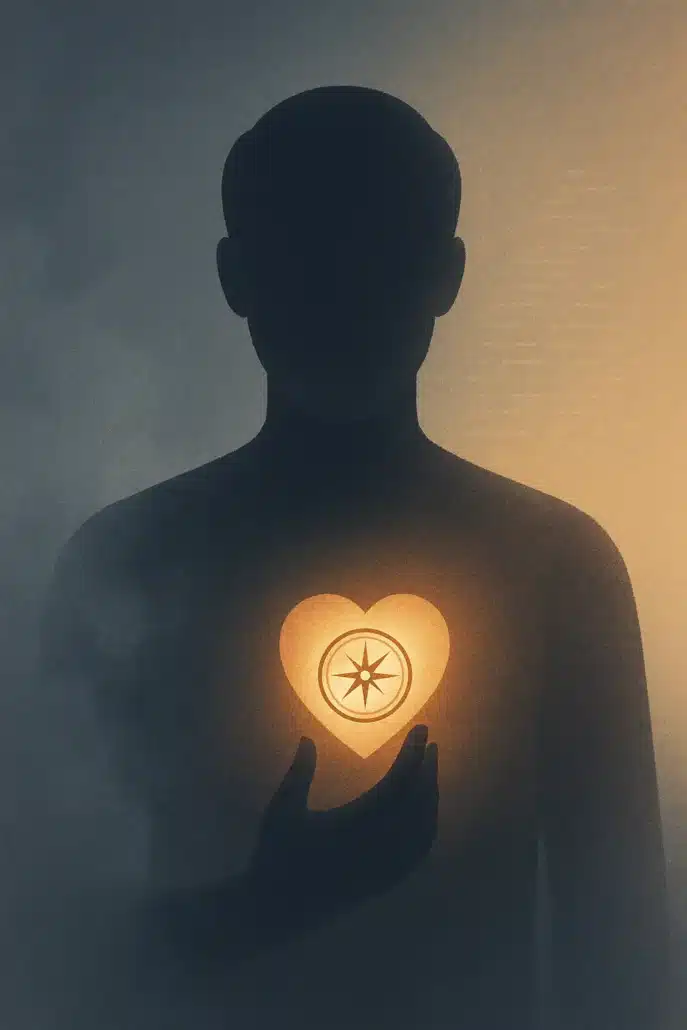
Sometimes I am just plain numb.
Not in a dramatic, storybook way—no fireworks, no sudden collapse. It’s quieter than that. It feels like driving through fog for days: my hands still move, my calendar still gets filled, my words still come out in the right order. I can answer emails. I can make dinner. I can show up.
But something inside me turns down the brightness.
It’s as if my heart has decided, If I can’t carry all this, I’ll carry less. Do you know what I mean here? Not because I’ve stopped caring—at least not exactly—but because my body seems to be trying to protect me from the cost of caring all at once, for too long, in a world that never stops asking for attention. EVER!
Numbness doesn’t always announce itself. Sometimes it disguises itself as competence. Sometimes it sounds like, “It’s fine,” when what I mean is, “I can’t feel the full weight of this moment and still function.”
Then the information comes.
It doesn’t arrive all at once anymore—it arrives like weather. Right? Headlines. Updates. Breaking news. A constant parade of opinions wrapped in certainty, wrapped in urgency, wrapped like they’re personal medicine for whatever I’m currently hungry for. You don’t even have to choose it. It just finds you. It knows what makes you afraid. It knows what makes you feel righteous. It knows what you’re lonely for.
And somehow it keeps stacking until numbness looks less like rest and more like survival.
I used to think numbness was the opposite of hope. Lately I’m wondering if numbness can be a protective shutoff—not because we stopped caring, but because we’ve been overwhelmed with caring for too many things we can’t fix alone.
And that leads me to a question that keeps waking me up at night:
What can we believe? Anything?
Because belief—at least the kind that’s constantly being pushed at us—doesn’t always arrive through reflection. It arrives through pressure. Through targeting. Through personalization. Through a feed that seems to understand my nerves better than I do.
If everything is designed to convince you, then belief itself becomes slippery. I don’t just weigh information; I experience a kind of emotional tug-of-war. I borrow certainty for relief in the moment. I scroll until I find a voice that makes my feelings sound wise. I trade listening for winning. I trade the slow work of discernment for the quick thrill of being right.
Then the next wave arrives.
And I realize the certainty I leaned on wasn’t built to last inside me. It doesn’t grow roots in my values or my conscience. It just briefly covers the exposed parts of me. It soothes discomfort without earning trust. It can feel true because it feels stabilizing—but stability isn’t the same thing as truth.
What I didn’t fully understand until very recently is that the battle isn’t only “what people believe.” The battle is also the environment that trains my mind to adopt beliefs quickly, intensely, and defensively.
And I’ve felt what that training does to me—especially when I start getting stuck around elections.
I keep thinking about how I decide when everything feels like it’s trying to decide for me.
Not just who wins. Not just what side I’m on. But what I can responsibly believe long enough to vote. I was talking with one of my daughters the other day, and she is pretty dog gone smart, we got into this tug of war over voting, who’s right, who’s wrong. Because there are only two choices, correct? I mean we must stand on that statement, right?
Well, voting isn’t theoretical for me. It’s a real choice with real consequences. And I don’t want numbness to steal my discernment while I’m pretending, I’m just “being realistic.”
I’ve noticed a pattern in myself that I don’t like but can’t ignore when information gets relentless, I start chasing certainty. Then I start getting suspicious. Then I start getting overwhelmed. Then numbness shows up again—not calm, not peace, but a kind of emotional dimming so I don’t have to keep bracing.
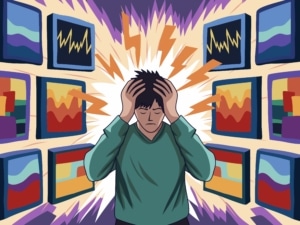
It’s not that I can’t think. It’s that my thinking gets hijacked by urgency. Can you hear that? Urgency!
So, I’ve been trying to build a decision process that slows down instead of speeding up—one that treats belief like something I cultivate, not something I grab.
Here are a few shifts that have helped me, at least a little:
1) I check my nervous system before I check the headline.
When I’m tense, my brain reads like a courtroom. I look for evidence that will make me feel safe in my conclusion. If I notice my body is on alert, I don’t scroll as much. I pause long enough to ask: Am I trying to find truth—or trying to calm fear? Those are very different tasks.
2) I separate “credible” from “certain.”
A claim can sound confident and still be unreliable. A person can sound convincing and still be careless. When I’m tempted to treat certainty as proof, I try to look for things that last longer than a moment: consistency, willingness to update, clear sourcing, and an ability to hold up under questions.
3) I let my values be a filter, not a shortcut.
Values matter to me—compassion, justice, truth-seeking. But I’ve learned that values can accidentally become permission slips. So instead of asking, “Does this match my values?” I try to ask, “If this policy is applied in the world, who does it help, who does it harm, what tradeoffs are being ignored?”
4) I make decisions in steps, not in panic.
The election cycle tempts me to compress everything into one anxious sprint: gather all info, feel certain, choose immediately, feel morally resolved. But discernment doesn’t work well under time pressure that’s designed by other people. I’ve started asking myself what I can know enough to make the next small responsible decision—and what I need to postpone until I can look again with better clarity.
5) I treat belief like a draft.
If I notice my belief requires me to reject nuance completely—if it demands, I treat disagreement as stupidity or betrayal—that’s a sign. I want convictions that can survive complexity, not convictions that collapse the moment reality gets complicated.
Numbness and discernment both show up as signals, not enemies. Numbness can mean I’m overloaded. It can mean I need boundaries with my attention. It can mean I’ve absorbed too much conflict with no outlet except more information.
But numbness can also become its own trap: a quiet way of opting out. A way of “not feeling” that looks like neutrality while it quietly reshapes what I’m willing to care about.
I don’t want numbness to decide my vote by dulling my conscience. I don’t want exhaustion to turn into apathy dressed as wisdom.
And this is where my concern returns, again and again—back to elections.
I worry about how easily I can be pulled into certainty that doesn’t actually come from evidence. I worry about how easily my mind can be trained to treat emotion as proof. I worry about how the feed can make every issue feel like a personal referendum on whether I’m good, smart, safe, or right.
I worry that the louder the certainty gets, the more I may reach for it simply to stop the feeling of being unmoored.
When I think about voting, I try to come back to a simpler question than “Who is correct?”—a harder question that might protect my integrity:
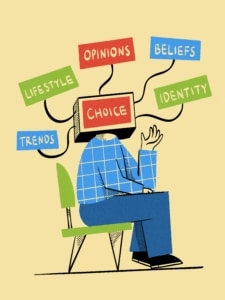
What would I choose if I weren’t being rushed into belief?
Not what would feel best in the moment. Not what would win the argument. Not what would make me feel righteous fastest. What would I choose if I had time to look carefully, compare responsibly, and accept that I might need to revisit my understanding?
I’m still learning how to do that. I’m still prone to getting tugged into the certainty treadmill, still vulnerable to the fog.
But I’m trying to treat this moment—this election moment—as more than a headline cycle. As a chance to practice discernment instead of numbness. As a chance to believe with care, not with cravings for certainty.
Because at the end of all this, I want my vote to be an act of responsibility, not an act of shutdown. And I want my belief to be sturdy enough to survive contact with reality—especially when reality keeps changing.
Peace and every good!


